Customers
Enabling affordable, delicious, healthy ingredients our customers use to produce delightful food without trade-offs.
The foundation

The problem: diet-related chronic disease. The solution: Tagatose.
We solved how to make tagatose scalable and affordable — using enzymes to make “rare sugar” from abundant plant material. Real sweetness that bakes, cooks, and caramelizes like sugar, built for the everyday food the whole world eats, while providing proven health benefits.

It started with Dr. Daniel Wichelecki's inspiration for how to leverage the power of enzymes in a way no-one had ever done before.
Bonumose is an innovation company and a producer, but at its core Bonumose is a service company. With a mindset of business as a moral imperative, Bonumose uses the acronym COVER to describe who, what, where and how we intend to serve:
Enabling affordable, delicious, healthy ingredients our customers use to produce delightful food without trade-offs.
The foundationValue-for-value wealth creation for our owners, rewarding the financial risks they take.
Profit opportunities for our distribution partners, suppliers, and others in the value chain.
Supporting employees as they provide for themselves and their families through the dignity of meaningful work, in an environment of mutual respect and concern.
A lasting, positive impact on the communities in which we operate, and a positive impact on global health.
To us, “Business as a moral imperative” means that if we have the ability to affect the health and well-being of people and planet, then we have the responsibility to do so. It is a moral imperative. It is our moral imperative to be a good seed and not to cede the field to the metaphorical weeds.
In this spirit, we also believe business can conduct miracles. Business is not inherently miraculous, but just as copper wire can conduct electricity, business can conduct miracles. For Bonumose it can be through improving lives and livelihoods: alleviating suffering while retaining joy. And by creating wealth and prosperity – not redistributing wealth, which redistribution ultimately leads to dissipation.
Tagatose is a “rare sugar”: it occurs in nature, but only in tiny amounts in fruits (apples, pineapples) and the sap of a tree related to the cacao plant. Tagatose is not artificial or odd-tasting. We think you’ll think it tastes nearly identical to table sugar, with no bitter notes or aftertaste.
In cooking, tagatose has technical properties similar to regular sugar, so it easily replaces — fully or partially — traditional sweeteners in foods and beverages, and it blends beautifully with high potency sweeteners such as stevia.
Available for over 25 years — yet it stayed relatively unavailable and expensive. Until now.
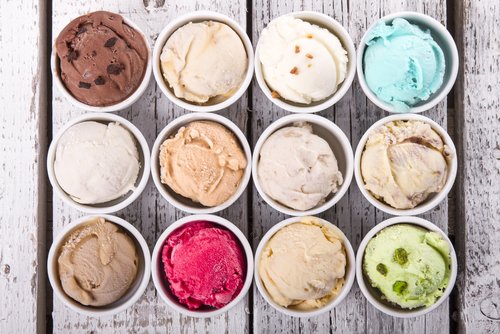
Sweetness is only one of sugar’s virtues. Like sugar, tagatose provides bulk and structure, reduces water activity to prevent spoilage, lowers the freezing point for smoother ice cream, caramelizes, and much more.
Recent years have shown the cost of sweetness in risk for chronic disease and tooth decay. Sweetness is not inherently bad, but excess consumption of sugar and artificial sweeteners may be.
Your body uses tagatose in a completely different way — which is exactly why it does so much good. Here's what that means for you, in plain language.
Because ~75%+ of tagatose reaches your gut intact, tagatose feeds the good bacteria living there. It's a prebiotic — and the healthy bacteria use it to produce beneficial butyrate.
Glycemic index: 0–100 scale
With a glycemic index of just 3, tagatose barely moves your blood sugar. Studies even show it can improve long-term blood-sugar control in people with mild Type 2 diabetes — which is why both the FDA and EFSA recognize its glycemic benefits.
At 1.5 calories per gram, tagatose has 38% of sugar's calories. And because it ferments in your gut, it gently triggers the "I'm full" hormones that help you stop reaching for more.
The bacteria that cause cavities can't feed on tagatose the way they feed on sugar. It's one of very few sweeteners the FDA permits to make an anti-cavity claim.
Beyond blood sugar, research shows switching to tagatose can improve cholesterol balance and may reduce buildup in the arteries.
Backed by a bibliography of 96 peer-reviewed studies and patents. Read the science yourself (PDF) →
Tagatose isn't just not bad for you. It's actually good for you. Decades of peer-reviewed research point to wide-ranging benefits across gut, dental, metabolic, and cardiovascular health.
“Tagatose, the sugar used to sweeten this food, unlike other sugars, may reduce the risk of dental caries.”21 C.F.R. § 101.80
“Consumption of foods/drinks containing D-tagatose instead of sugar induces a lower blood glucose rise after their consumption compared to sugar-containing foods/drinks.”Commission Regulation (EU) No. 432/2012
We begin with plant starch — corn, wheat, cassava — an abundant, low-cost feedstock that grows worldwide.
Our proprietary enzymes — proteins, not chemicals — rearrange the starch's molecular structure into tagatose with high yield and purity.
The result is pure tagatose crystals — visually and physically identical to regular sugar, ready for every food system.
The same crystal that bakes, browns and caramelizes like sugar — but with a glycemic index of 3 and 38% of the calories.
It started with tagatose, and now our team has built on Dr. Wichelecki's breakthrough enzymatic technology to enable large-scale production of other rare ingredients for food, supplements, animal feed, crop protection, and soil health.
30+ years business experience as a lawyer (litigation, IP, startups), founding CEO of B2C & B2B animal-food technology start-up, and venture investment management. University of Virginia, BA & JD
LinkedIn →Inventor of Bonumose's novel enzymatic pathway for low-cost tagatose production and the processes behind our portfolio of rare sugars. He holds degrees in Molecular and Cellular Biology and a PhD in Biochemistry (University of Illinois).
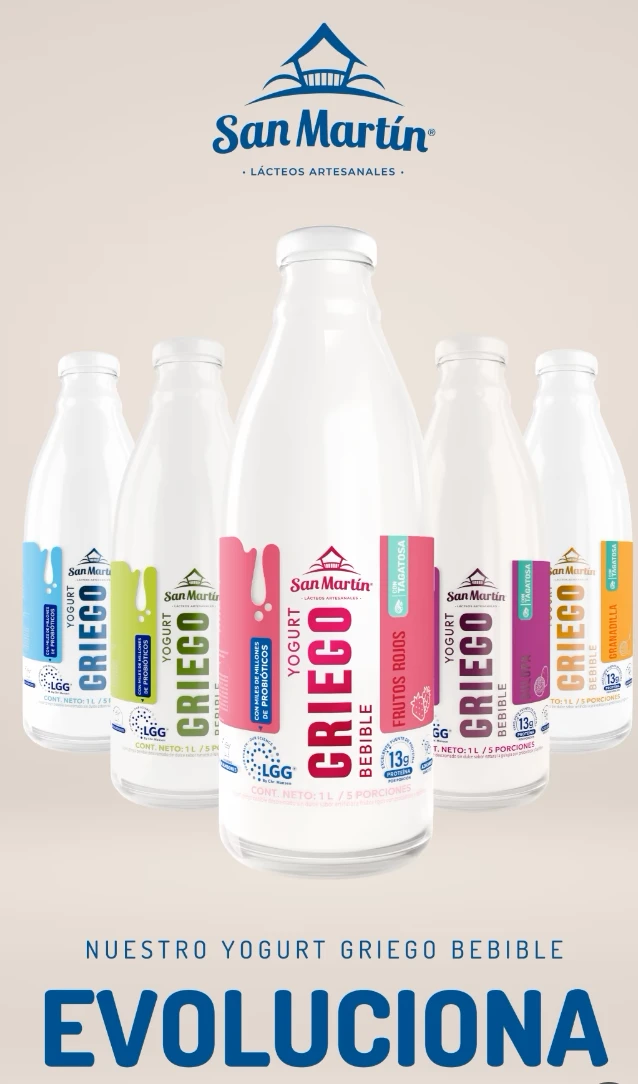
LinkedIn →Talks and interviews with our team about tagatose and the #goodsugar movement — plus selected press coverage.





Entrepreneurial Clinic Offers Students Hands-On Business Experience · UVA Law · Jun 2026
Press releases and stories about Bonumose and tagatose.

Granulated tagatose — tastes like sugar, acts like fiber. Spoon-for-spoon in coffee, baking and everyday recipes. (Start small if your gut microbiome needs improvement.)


Yes. Tagatose is GRAS (Generally Recognized As Safe). It also has an FDA-approved health claim for dental caries reduction — a very high bar that requires robust clinical evidence. It has been studied in humans for over 25 years with a strong safety profile.
Tagatose has a glycemic index of just 3 (compared to 68 for table sugar) and clinical trials have shown it can actually improve blood sugar control in people with mild Type 2 diabetes. That said, as with any dietary change, people managing diabetes should consult their healthcare provider before significantly changing their sweetener intake.
No. Tagatose is not an artificial sweetener — it's a real sugar that occurs naturally. It tastes very close to table sugar (about 90% as sweet), with no bitter aftertaste, no cooling effect, and no chemical sensation. It also behaves like sugar in cooking and baking — providing bulk, structure, browning, and caramelization.
Yes, for the most part. Tagatose measures and behaves like sugar in most recipes. It caramelizes and browns faster, so be mindful of baking time and temperature. It provides the same bulk and structure as sugar. Because it's about 90% as sweet, you may want to add a little extra for very sweet recipes, though most people use it 1:1 without any adjustments. Try it yourself with our tagatose recipes →
Both are rare sugars with little to no impact on blood sugar, but they have different strengths. Tagatose (GI 3) is about 90% as sweet as sugar, provides 1.5 kcal/g, and has approved health claims from both the FDA and EFSA, along with documented prebiotic and dental benefits. Allulose (GI ~0) is around 70% as sweet as sugar and is considered essentially calorie-free under FDA labeling guidelines. Both are excellent alternatives to sugar — the best choice depends on your specific needs and application.
Yes. With a glycemic index of 3 and minimal absorption in the small intestine, tagatose does not meaningfully raise blood glucose or insulin — which is the core criterion for keto compatibility. Many keto practitioners count tagatose as a net-zero or very low net carb. You can find tagatose on Amazon.
We always love hearing from people who share our interest in food for health.